Why Spanish Pan Coca is Sexier Than Bruschetta
Forget everything you thought you knew about simple toast toppings. While bruschetta holds a venerable place in the culinary world, there’s a Mediterranean marvel that consistently steals the spotlight with its raw, unapologetic charm: tomato bread Spanish Pan Coca. This isn't just an appetizer; it’s Spain’s love letter to simplicity, a bold, breezy declaration of flavour that, dare we say, is infinitely sexier than its Italian cousin.
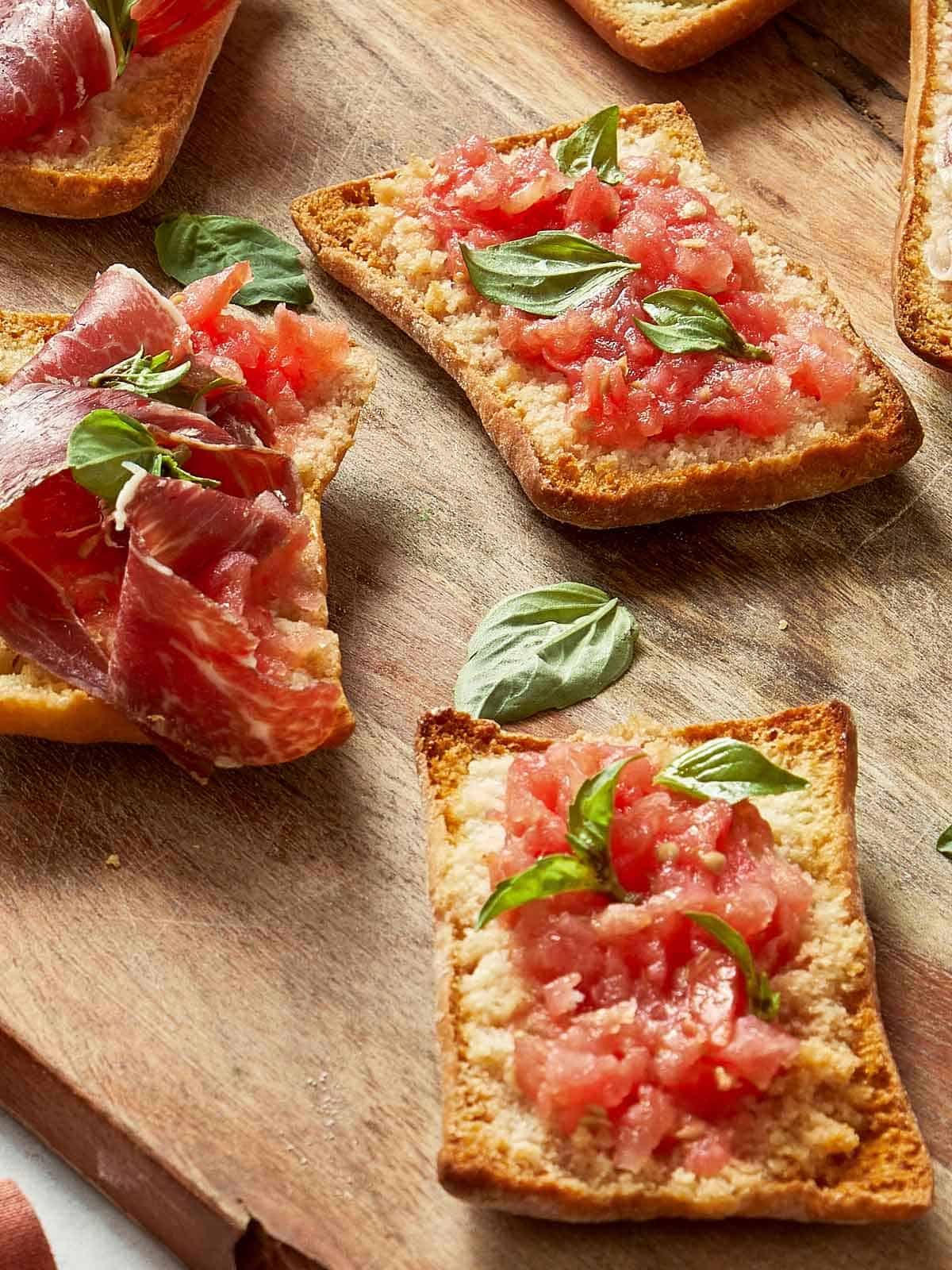
Imagine yourself on a sun-drenched terrace in Barcelona, a glass of crisp wine in hand, and before you, a golden slice of bread, generously adorned with vibrant, juicy tomato pulp, gleaming with olive oil, and kissed with a whisper of sea salt. This is the experience that Pan Coca delivers – rustic, crunchy, and garlicky perfection that awakens the senses and transports you straight to the heart of Spain. It’s a dish of minimal ingredients, yet maximum impact, proving that true culinary seduction lies in authenticity and high-quality components.
The Allure of Spanish Pan Coca: A Symphony of Simplicity
At its heart, Spanish Pan Coca is a celebration of the profound beauty found in pure, unadulterated flavours. It’s often referred to as pan con tomate, but Pan Coca hints at a certain elevation, a specific preparation that distinguishes it. Unlike bruschetta, which frequently features diced tomatoes, often mingled with basil, garlic, and sometimes balsamic glaze, Pan Coca embraces a more direct, almost primitive approach. The tomatoes are typically grated raw, ensuring every fibre of the bread is permeated with their fresh, vibrant essence. This technique results in a lusher, more integrated texture where the tomato isn't just a topping, but becomes one with the bread.
The sensory experience of Spanish Pan Coca: Your Guide to Authentic Tomato Bread begins with the satisfying crunch of perfectly toasted rustic bread, giving way to a soft, golden interior that has soaked up every drop of flavour. The subtle, yet unforgettable, seduction of garlic rubbed directly onto the warm bread is a game-changer, infusing a foundational aroma without overwhelming the palate. Then comes the loud, messy, and utterly unapologetic burst of fresh tomato, followed by the bold, golden embrace of extra virgin olive oil, generously drizzled to bind and elevate every element. It’s a taste that hits every craving: crispy, soft, savoury, fresh, and slightly salty – a truly unforgettable combination that makes Pan Coca a culinary icon.
Unpacking the "Secret" Behind Pan Coca's Irresistible Charm
So, what exactly makes this humble Simple Spanish Pan con Tomate: Maximum Flavor, Minimal Effort so utterly captivating? The secret lies in its deliberate refusal to complicate. While bruschetta often relies on a medley of herbs and a more composed presentation, Pan Coca thrives on the raw power of just a few key players. The act of grating fresh, ripe tomatoes is paramount; it releases their juices and pulp in a way that dicing simply cannot achieve, creating a natural sauce that melds seamlessly with the bread. This isn't just about flavour; it's about texture – a juicy, yielding spread that contrasts beautifully with the crispy bread.
Furthermore, the application of garlic is a masterful stroke of minimalism. Instead of finely mincing garlic and mixing it into the tomato, a cut garlic clove is gently rubbed over the warm, toasted bread. The heat of the bread slightly melts the garlic, releasing its fragrant oils and leaving a delicate, aromatic essence that underpins the entire experience without overpowering the star ingredient: the tomato. This method ensures that garlic is a subtle whisper, a foundational layer, rather than a dominant flavour. It's like pan con tomate's bolder, hotter cousin – the one that shows up late, looks amazing, and still gets all the compliments, without any unnecessary fuss or fluff. And for those short on time, even quick versions using pre-made baguette slices and quality tomato will still bring that fan-favourite flavour home.
The Essential Ingredients: A Masterclass in Less Is More
Tomato bread Spanish Pan Coca doesn’t demand a sprawling ingredient list; it simply asks for quality and respect for each component. You likely have most of these in your kitchen already, and if not, they are certainly worth acquiring for the authentic experience.
- Tomato: The absolute star. Fresh, ripe, and juicy tomatoes are non-negotiable. Varieties like on-the-vine, Roma, or even heirloom tomatoes work beautifully. The key is grating them raw, ensuring a vibrant, liquid-rich pulp that soaks into the bread. Discarding the skin leaves behind pure, unadulterated tomato goodness.
- Garlic: A single, large clove, peeled and cut in half. Its role is subtle yet unforgettable, rubbed onto warm bread like a fragrant love spell. Its oils perfume the toast without creating an aggressive garlic bite.
- Olive Oil: Bold, golden, and unapologetically generous. Use a high-quality extra virgin olive oil; it's a flavour component in itself, contributing fruity, peppery notes that are crucial to the authentic taste. Don't hold back – the bread should gleam.
- Bread: Rustic and crusty is best. Think ciabatta, sourdough, or a good country loaf. The bread needs to be sturdy enough to hold up to the generous toppings while providing a satisfying crunch once toasted. Its crumb needs to be open enough to absorb the tomato and oil.
- Sea Salt: Flaky sea salt is essential. Its sharp, clean salinity makes every flavour pop, cutting through the richness of the oil and enhancing the sweetness of the tomato. A final sprinkle is non-negotiable for that perfect finish.
This minimalist philosophy allows each ingredient to truly shine, creating a harmonious and utterly addictive experience that epitomizes Spanish cuisine.
Crafting Your Own Spanish Icon: Tips for Perfection
Building your own Spanish Pan Coca might look fancy, but it’s remarkably straightforward. The beauty lies in the simple steps and the quality of your ingredients. You don’t need special equipment, just a few bold moves for guaranteed crisp edges and juicy tomato payoff.
- Perfecting the Toast: Begin by grilling, toasting, or pan-frying your thick slices of rustic bread until they are golden brown and crisp on both sides. The goal is a sturdy, crunchy canvas that can stand up to the toppings without becoming soggy. The warmth is crucial for the next step.
- The Garlic Embrace: While the bread is still warm, take your cut garlic clove and rub it gently but firmly over the entire surface of one side of each slice. The heat will help release the garlic's fragrant oils, creating a delicate, aromatic foundation.
- The Tomato Transformation: Cut your ripe tomatoes in half. Using the large holes of a box grater, grate the fleshy, cut side of each tomato half directly into a bowl. The skin will be left behind in your hand – discard it. This method yields a wonderfully pulpy, juicy tomato "sauce" that’s packed with fresh flavour.
- Generous Topping: Spoon the fresh tomato pulp generously over the garlic-rubbed side of each toast slice, spreading it evenly to cover every inch. Don't be shy; this is where the magic happens.
- The Golden Drizzle and Seasoning: Finish with a liberal drizzle of high-quality extra virgin olive oil. This is not merely for moisture; it's a key flavour component. Finally, sprinkle generously with flaky sea salt. This final touch brightens all the flavours and adds a crucial textural element.
Serve immediately, perhaps alongside a glass of Spanish wine or as a vibrant starter to a larger meal like paella. Pan Coca is incredibly versatile, perfect as an appetizer, a light snack, or a beautiful accompaniment to breakfast, lunch, or dinner. It's pure Spanish drama on toast, no fluff, no fuss.
In conclusion, while bruschetta offers its own charms, tomato bread Spanish Pan Coca wins the "sexier" contest hands down through its sheer simplicity, bold flavours, and effortless elegance. It’s a dish that celebrates the very essence of its core ingredients, delivering a rustic, vibrant, and utterly delicious experience that transcends mere sustenance. Once you’ve savoured the authentic taste of this Spanish icon, you’ll understand why it captures hearts and palates, proving that sometimes, less truly is more. Go ahead, give it a try – your taste buds will thank you.
